
Category: Tips
The holiday season can be a stressful time as consumers ramp up their spending on gifts and travel and face extra bills in the new year. Shoppers are planning to spend an average of $1,047.83 this year, which is a 4% increase from last year, based on the survey conducted by the National Retail Federation, a Washington, D.C.-based trade group, and Prosper Insights & Analytics. Consumers 35 to 44 years old are likely to spend the most during the holiday season, at a total of $1,158.63. Shoppers will spend the most money on gifts for their friends, family, and co-workers at an average of $658.55. They plan to also purchase greeting cards, decorations, candy, and food, totaling an average of $227.26. Consumers said they will spend another $162.02 on sales and deals during the season. Here are eight tips on how you can save money during the holiday season so you can enjoy them and spend less time worrying about those credit card bills. 2019 Holiday Budgeting Tips 1: Secret Santa Instead of buying all of your family and friends gifts for the holidays, start a Secret Santa. Being surprised is more fun and you will spend less money. Ron McCoy, CEO of Freedom Capital Advisors in Clermont, Florida, is trying it out with his family for the first time this year. "It's ridiculous for people to go out and spend money they don't have just because our culture is to spend, spend, spend," he said. "My young adult children love the idea of not spending a fortune this Christmas. I still believe it's the thought that counts, not how much you spend." 2: Shop Online Avoid shopping at the mall or at shopping centers because you are more prone to spontaneous purchases or deals that seem to be too good to pass up. You can also save money on parking and tolls. When you're shopping online, watch out for hidden costs associated with shipping, said Bruce McClary, spokesperson for the National Foundation for Credit Counseling, a Washington, D.C.-based non-profit organization. "The sale price of the item may be unbeatable, but some merchants pack in high shipping costs that could erase most of the savings," McClary said. Shopping online means you can avoid the madness of trying to find a coveted parking spot, avoid the rush of the crowds and buying mania, said Daren Blonski, managing partner of Sonoma Wealth Advisors in Sonoma, California. "Online shopping allows you to control your spending and not get sucked into those last-minute 'have-to-have' purchases. Although, watch out for those nasty pop-up ads in your social networking feeds." 3: Make a List Shoppers who make a list of gifts to purchase are more likely to not exceed their budget. "Plan ahead to avoid any surprise expenses that could drain your savings or lead to unmanageable debt," McClary said. "This means making a complete list and sticking with your plan. The list should be based on what you can afford without interfering with necessary living expenses or existing debt obligations." 4. Give Gifts of Service If you cannot afford gifts for everyone on your list, another option is to provide gifts of services like babysitting or dog sitting. "It can be anything that shows you care and has value while not costing you a lot of money," said Jim Triggs, CEO of Money Management International, a Sugar Land, Texas-based non-profit debt counseling organization. "You can make baked goods or make inexpensive crafts to give away as gifts. Print out some of the pictures of you and your loved ones that you may have on your phone. This can be inexpensive and a very thoughtful gift." 5. Regift Holidays don't have to set you back, put you into debt or a financial crisis, Triggs said. If you receive a gift that you do not want or need and you know a friend or family member would enjoy the gift, don't "feel bad about regifting it if you're on a tight budget," he said. "Most friends and family do not want to see their loved ones going into debt during the holiday season," Triggs said. 6. Use Reward Points and Miles Instead of shelling out your hard-earned money, a good way to save money is to examine your existing rewards points and miles. Bankrate.com recently asked people how many they had and while many people didn't know, the ones who kept track had impressive stockpiles, said Ted Rossman, an analyst for Creditcards.com and Bankrate. Even at a conservative valuation of one cent per point or mile, Bankrate found the average frequent flyer account balance is worth about $340, the average hoard of hotel points equals approximately $230 and the average credit card rewards stash is $160. "You might already be sitting on a considerable amount of value that you could turn into free or discounted travel, cash back, gift cards or merchandise," he said. 7. Shop Through Credit Card and Airline Portals Consumers can also save hundreds of dollars by shopping through credit card and airline portals during the holiday season. "This is an excellent double-dip opportunity," Rossman said. "Whenever you buy something online, don't go directly to that retailer's website." Instead, log into a website like the Chase Ultimate Rewards portal, the American Airlines AAdvantage eShopping mall or Rakuten. These examples all allow you to earn bonus points or cashback. "Pay with the right rewards credit card for an added boost," he said. "For example, if you click through the American Airlines, you'll get eight AAdvantage miles per dollar plus whatever you earn from your credit card company. A good choice would be the Chase Freedom, which offers 5% cashback at department stores this quarter." 8. Treat Yourself Give yourself some leeway to spend on things you don't anticipate, Blonski said. "Just like when you're trying to live on a diet, it seems to help when you allow for a little 'cheat meal,' -- it takes the drudgery out of the process," he said. "If it's a planned frivolous spend, you don't have to shame yourself for it." Source: The Street
Even though many Americans are worried about the possibility of a recession, most are still planning to purchase holiday gifts. Check out our 2019 holiday shopping report below. Not much — including unease about the nation’s economy — stands in the way of holiday shopping in the U.S. Over 223 million Americans (88%) plan to purchase gifts this holiday season, spending an estimated $184 billion, even as many believe we’re bound for a recession, according to a new NerdWallet survey. Nearly 2 in 5 (37%) Americans believe the U.S. is headed toward a recession. Three of 10 holiday shoppers (those planning to shop for gifts during the 2019 holiday season) — or 66 million Americans — say they’ll spend less due to their perception of the current state of the economy, according to a NerdWallet survey of 2,023 U.S. adults, conducted online by The Harris Poll. “For most Americans, the urge to spend at the holidays is strong, even in the face of economic uncertainty. But there are ways to spend and celebrate the season without creating additional financial stress at home,” says Kimberly Palmer, personal finance expert at NerdWallet. Holiday Shopping Key Findings Economic perceptions will affect holiday spending. Nearly two in five (37%) Americans say the U.S. economy is headed toward a recession, and 30% of those planning to purchase gifts this holiday season say they’ll spend less because of their view of the current economy. Higher prices expected. Nearly half (48%) of Americans believe holiday gifts will cost more this year compared with years past as a result of new tariffs on imports from China. Millions still paying off 2018 holiday debt. Roughly 48 million Americans are still paying off credit card debt from the 2018 holiday season, far more than the 39.4 million who were paying off 2017 debt when we asked last year. Planned spending up slightly. Holiday shoppers plan to spend $825 on gifts, on average, this season, a 6% increase over 2018. With 88% of Americans planning to shop for gifts, that’s roughly $184 billion in 2019 holiday spending. Credit cards and digital wallets poised and ready. Just over 7 in 10 (71%) holiday shoppers plan to use a credit card on gift purchases this year, and 32% will use digital wallet apps. Midsummer sales a big draw for early holiday shoppers. Nearly 1 in 5 (18%) 2019 holiday shoppers completed most of their holiday shopping during midsummer sales. Many Will Spend Less Due to Their View of the Economy Mixed messages about the economy lead to mixed opinions. Nearly 2 in 5 (37%) Americans say the U.S. economy is headed toward a recession, according to the survey, while 43% say the economy is currently stable and about 1 in 5 (19%) characterize it as “booming.” But perhaps more important than their perception is how it could affect shoppers’ holiday spending this season — healthy consumer spending is a boon to the economy. While over half (60%) of holiday shoppers say their perception of the economy will not affect how much they spend on gifts this year, 3 in 10 (30%) say they’ll spend less because of it. For perspective, that’s 66 million Americans who are tightening their purse strings in response to their perception of the economy. Further, many indicate they believe the money spent on gifts won’t go as far — 48% of Americans believe holiday gifts will cost more this year compared with years past as a result of new tariffs on imports from China. Women are more likely than men to believe the U.S. economy is headed toward a recession (42% vs. 32%). And female holiday shoppers are more likely to say they plan to spend less this year because of their perception of the economy (36% vs. 24% of male shoppers). Millions Still Paying Off 2018 Holiday Debt Nearly 3 in 5 (59%) 2018 holiday shoppers incurred some credit card debt during the 2018 holiday season, and 35% of those who did say they’re still working to get it paid off, according to the survey. That’s 48 million Americans still paying off credit card debt from the 2018 holiday season. Last year, when we asked the same question, 28% of 2017 holiday shoppers were still paying off debt from the 2017 holiday season. Only 24% of those who incurred credit card debt from last year’s holiday shopping paid it off with the first statement. “The fact that holiday spending is sending more people into long-term debt suggests overspending is endemic to the season. Unfortunately, it can drag down a household’s finances long after the gifts are opened,” Palmer says. Savvy Holiday Shopping Tip: If holiday debt is an annual tradition, start a new one. Every year, begin saving for holiday shopping several months in advance, so you can pay outright when it’s time to shop or pay off any credit card transactions with the first statement. Planned Spending Still Up from Last Year Even with some saying they’ll spend less this year, overall anticipated spending is up, albeit slightly. On average, 2019 holiday shoppers plan to spend $825 on gifts this season, 6% more than last year. With 88% of Americans expecting to shop for gifts, the economy could get a $184 billion infusion. Like last year, Generation X is planning to spend the most on holiday gifts, but they anticipate spending less, on average, than last year, when they estimated they’d fork over $992. Most Shoppers Plan to Use Credit Cards Despite the fact that some 2018 holiday shoppers are still in debt from last year, 71% of 2019 holiday shoppers are poised to use their credit cards this holiday season, according to the survey. On average, they anticipate charging $660 of their gifts and estimate they’ll take 3.7 months to pay off that balance. At that rate, they’ll pay roughly $22 in interest over that nearly four-month period, according to NerdWallet analysis. If, however, they make only minimum payments on the debt, it could cost them $239 in interest and take nearly four years to pay off. Savvy Holiday Shopping Tip: “Instead of taking on debt into the new year, use credit cards strategically at the holiday season by paying off your balance each month and accruing cashback or points to help stretch your holiday budget. You can use your rewards for holiday travel, to buy gift cards, or as cash to help fund other expenses,” Palmer says. Taking Steps to Save Fewer Americans plan on using coupons and promo codes to save on shopping, in general, this holiday season than last (48% vs. 54%), but that doesn’t mean holiday shoppers aren’t looking for a deal. Nearly 1 in 5 (18%) 2019 holiday shoppers completed most of their holiday shopping during midsummer sales, according to the survey, and about 7 in 10 (71%) Americans plan to shop on Black Friday, one of the biggest deal days of the year. Savvy Holiday Shopping Tip: ”Tracking prices and making purchases when they dip, whether it’s months before the holidays or at the last minute, can help stretch your budget,” Palmer says. “Apps like ShopSavvy and browser add-ons like Honey can help you get the best price.” Most Will Shop Online, Some to Pick Up In-Store Though NerdWallet began asking shoppers in 2016 whether they’d be in-store or online for most of their holiday shopping, this marks the first year we asked about ordering online for in-store pickup. More than 1 in 10 (11%) holiday shoppers say they plan to order online and pick up in store for the majority of their shopping while half (50%) will order online for delivery and 37% will do the majority of their shopping in-store. One-quarter (25%) of those who plan to shop on Black Friday this year say they’ll order online for in-store pickup vs. 60% who plan to order online for delivery and 50% who will shop in-store on that day. What and Whom Shoppers will Spend On When asked what categories they’ll be spending the most on this year, the top one 2019 holiday shoppers cite is clothing and accessories (58%). Gift cards were a close second, with 52% saying they’d spend the most on gift cards and leave the gift-buying to the recipient. “Gifts cards tend to be most appreciated, and most likely to be used when they are given to a store or a restaurant that the recipient already frequents and enjoys. If you’re not sure, then cash might be a better choice, and there’s less of a chance it will go to waste,” Palmer says. Some shoppers may be busting their budget to create a special holiday season. Just 8% of those who ever shop during the holidays say they don’t splurge on anyone during the season, according to the survey. “There’s nothing wrong with splurging a little at the holidays, but make sure that splurge fits into your broader spending plan so you start 2020 feeling more confident about your finances,” Palmer says. Source: NerdWallet
Getting your finances ready for the end of the calendar year takes time, so it’s wise to start thinking about your financial to-do list now. Since most year-end financial planning opportunities have firm deadlines—often December 31st—acting now can help ensure you don’t leave money on the table. It’s not all upside though: failing to take certain actions can mean hefty penalties in some cases. Financial Planning 1:Check Your Tax Withholding Even individuals with only W-2 income from a regular paycheck can be caught off guard by a surprise tax bill and/or an underpayment penalty. That's why it's important to start your financial planning. After the new tax law went into effect in 2018, the withholding tables changed, leaving some taxpayers with a big bill. Estimating your annual income at the beginning of the year can be difficult for individuals with lumpy or unpredictable income, such as business owners or employees working on commission. Recalculating your withholding using the IRS withholding calculator closer to the end of the year could help some workers avoid an underpayment penalty or surprise tax bill come April. Here’s how: if taxes are withheld through a payroll deduction, those tax payments are always deemed to be timely paid. This enables some individuals to catch up on any previous under-withholding once they have more concrete income estimates near year-end. If you make quarterly tax payments instead, be aware that even if you increase estimated tax payments during the year, it may still not be enough to avoid penalties if any previous payments are deemed to have been 'underpaid' based on your actual income at the end of the year. To avoid an underpayment penalty, taxpayers can make quarterly payments of at least 110% of last year's tax liability (if their adjusted gross income is over $150,000). Financial Planning 2: Consider Refinancing a Mortgage or Student Loans Interest rates have generally been on lower this year due to the uncertainty around the trade war and rate cuts by the Federal Reserve. If you’ve been putting off the decision to refinance a mortgage or student loans, now may be the time to start planning. Before reaching out to a lender, there are several considerations to be aware of. Mortgages As you move through your fixed mortgage term, the proportion of your monthly payment that’s allocated to the principal will increase and your interest expense will decrease. If you’re well into your loan, it may not make sense to refinance after considering closing costs. Also, consider whether it’s beneficial to refinance into a different type of mortgage. If you bought a home with an adjustable-rate mortgage because you didn’t expect to own the house for very long, but now your plans have changed, it may make sense to switch to a conventional fixed 15 or 30-year mortgage. Alternatively, if you’re 10 years into a mortgage and decide to refinance, consider the pros and cons of an adjustable-rate mortgage (ARM) if you’re planning to sell before the interest rate becomes variable. Just keep being aware of the risks should your plans change. Student Loans Graduates with significant student loans can sometimes find relief by refinancing. Assuming your income and credit score is strong, it can be possible to shave a few points of your rate. Be aware that refinancing student loans may require a shorter loan period, even as little as five years. Refinancing from a federal loan to private lenders can also mean sacrificing some benefits, such as loan deferment, forbearance, and loan forgiveness (for those who qualify). If you have multiple loans, you can always consider refinancing only the ones with the highest interest rates, to help make it more affordable given the truncated payback period. Financial Planning 3: Give Your 401(k) a Checkup This is an easy one to forget in your financial planning goals. Often enough we set it and forget it…but it's great to check it at least once a year! This fall spend some time making sure your 401(k) plan is properly configured. If you’re not already on track to meet the annual contribution limit and are able to, consider increasing your election while there’s still time. In 2019, the maximum is $19,000/year though investors age 50 and older have an additional $6,000 catch-up contribution. Once the 2020 IRS contributions have been announced, you’ll want to update your contribution strategy for next year. Also, review the 401(k) investment options as the fund lineup will change periodically. Assuming you are comfortable with your asset allocation, make sure your account doesn’t need to be rebalanced. Periodic rebalancing helps maintain your target asset allocation over time as some asset classes will outperform others. Financial Planning 4: Plan Charitable Contributions Two of the major changes in the Tax Cuts and Jobs Act that passed at the end of 2017 was the near doubling of the standard deduction and new $10,000 cap on state, local, and property taxes (SALT). The result is that far fewer taxpayers benefit from itemizing their tax deductions, which includes cash gifts to qualified charities. Due to these changes, other strategies have become more popular to help ensure charitably inclined individuals can still benefit from their gifts. If you give cash, consider whether it’s advantageous to ‘bunch’ cash donations in one tax year instead of spreading them out equally over two. For example, a couple has $10,000 in state, local, and property taxes (the maximum), $5,000 in mortgage interest expense, and $8,000 in cash donations to qualified public charities for a total of $23,000 in itemizable deductions. In 2019, the standard deduction for married taxpayers filing jointly is $24,400, so the couple will not benefit from itemizing their tax deductions. If the couple bunched their charitable contributions, they’d make a gift of $16,000 in 2019, bringing their itemized deductions to $31,000, well over the standard deduction. In 2020, they would make no cash gifts to charity and claim the standard deduction. Considering the changes to itemized deductions, it may be advantageous to consider which charitable giving strategies offer the best tax benefits. Other planned giving strategies, including donating highly-appreciated securities and gifting a required minimum distribution, may be advantageous over cash gifts. Financial Planning 5: Watch the Timing of 529 Plan Distributions The end of the calendar year is also a break between college semesters. Before the new semester begins in January, colleges send out tuition bills for parents and students to pay. Here’s where problems can occur: if you take funds from a 529 plan in December for a tuition bill paid in January, a portion of your 529 plan funds could be classified as a non-qualified distribution and potentially subject to income tax and a 10% penalty if total 529 plan withdrawals for the year were more than the qualified higher education expenses paid. Since the calendar year, qualified expenses must align to the calendar year 529 plan withdrawals, issues could also arise if a distribution was made in January to cover expenses paid in December. There’s a lot to keep in mind, so consult the financial aid office to help ensure you’re using the appropriate expense figures and not double-counting any tax benefits, such as the American Opportunity Tax Credit, Lifetime Learning Credit, or expenses covered by tax-free scholarships. Financial Planning 6: Flexible Spending Accounts: Use it Before You Lose it There are two types of flexible spending accounts (FSAs) your employer can sponsor medical and dependent care. With a medical FSA, you can pay for (or get reimbursed for) certain qualifying medical expenses using pre-tax dollars. Since your annual FSA election was based on your projected medical costs for the year, over-contributing is common. Depending on the plan rules, your medical FSA must either be fully depleted during the calendar year or up to $500 can be rolled over to next year. Otherwise, your contributions will be forfeited. In a dependent care FSA, pre-tax contributions can be used to reimburse parents for qualified childcare expenses that are incurred to enable you (and a spouse, if married) to work, look for work, or enroll in school full time. Although there are instances where adults can be claimed as a dependent, for most, qualified dependents are your children under age 13. The contribution limit in 2019 is $5,000 for married taxpayers filing jointly. Unlike medical FSAs, there is currently no rollover provision for unused balances in dependent care FSAs. The end of the year can be hectic. Considering how challenging it can be to tackle routine financial tasks throughout the year, don’t procrastinate these important financial planning moves—the deadlines are no longer self-imposed. Source: Forbes
I have routinely recommended that people use a bank safe deposit box to store valuable papers and small assets. These include documents like wills, trust documents, ethical wills, and unrecorded deeds. Valuable assets include diamonds, gemstones, jewelry, bullion, and small collectibles like rare coins, stamps, and trading cards. The physical protection of a bank vault, plus a system of access requiring two keys kept by the customer and the bank, would seem to provide a great deal of security. Yet several recent news articles suggest safe deposit boxes are not as safe as they seem. An article in the New York Times reported 44 robberies in the last five years related to safe deposit boxes. Even worse were numerous bank errors in which boxes were moved, misplaced, drilled open, or closed by mistake. A large Maryland bank closed several branches and lost hundreds of safe deposit boxes. One customer lost $500,000 worth of gold and gems. In each case, banks vigorously fought any requirement to make their customers whole. Even more shocking, no provision of federal banking law regulates safe deposit boxes. Nor do banks insure the belongings of customers who trustingly store their most precious valuables in safe deposit boxes. The risks fall on the renter. Wells Fargo’s safe deposit box contract caps the bank’s liability at $500. Citigroup limits it to 500-times the box’s annual rent. JPMorgan Chase has a $25,000 ceiling on its liability. Decades ago, I placed some rare coins in a safe deposit box with a local bank. A few years ago I went to retrieve my valuables, only to find the bank had drilled open the box and sent the contents to the state as abandoned property. I learned that when I relocated my office, the change of address notification failed to carry through to the annual billing notice for the safe deposit box fee. After three years of non-payment, the bank chose to go through the effort of drilling open the box and shipping the contents to the State Treasurer’s office. It would have been simpler to spend a few minutes looking up my information and contacting me. Eventually, I was able to retrieve the contents of the box. I was lucky. An international expert in rare watches stored 92 watches plus rare coins, worth millions, in a safe deposit box at a Wells Fargo bank branch. Wells Fargo had evicted another customer for non-payment and drilled open the wrong safe deposit box. The customer found his “safe” deposit box empty. Wells Fargo executives could only find 85 of his watches. The customer sued. Wells Fargo admitted in court that its employees had mistakenly drilled into and terminated the wrong box. The unrecovered items included gold coins and a watch estimated to be worth nearly a million dollars. After years of litigation and appeals, Wells Fargo has offered no restitution. If a “safe” deposit box isn’t really safe, what can you do instead? Here are a few suggestions. Consider investing in a high-quality home safe for small valuables and important documents. Scan all important documents and save copies in a secure online “vault.” Many financial planners provide such online backup storage. If you do use a safe deposit box, choose one at the bank you use regularly and open it at least once a year. No matter where you keep your valuables, insure them adequately. Standard homeowner coverage is probably not enough. Share passwords and access codes with another trusted person. Finally, ask before you store. Understand a bank’s policies and coverage limits before you trust it with your valuables. Source: Advisor Perspectives
There are many benefits of financial planning, although these benefits differ depending on whether an individual or business is planning for the future. Individuals and businesses both benefit from having savings in the bank that can help during rough times. However, individuals use their savings differently from companies, so the advantages of financial planning are quite different. Income and Cash Flow For businesses, financial planning is crucial because it provides a clear picture of how much money is needed to cover expenses – both overhead and operating – and how much is necessary to cover any tax obligations. Overhead expenses are costs a company incurs that are not related to labor or production. These costs occur regularly regardless of how much or little a company makes and usually include expenses such as lease payments, utilities, insurance and salaries. Operating expenses occur through normal business activities, such as buying materials for production, and are required to keep the business running. Knowing where a business stands financially helps a company budget for better cash flow, which is an important measurement of a company's financial health. When a business has more money coming in than going out, it has a positive cash flow. Businesses need to be able to budget to generate positive cash flow so that they can cover all their debts and, at the bare minimum, break even. When a business fails to do so for an extended period, it can lead to severe problems such as bankruptcy. Planning for Rough Times Savings are particularly important for helping a company during rough economic and business times. A business's performance may occasionally decline, but if it declines for long, it puts a company at risk of bankruptcy. No matter how a business performs, it must pay certain expenses. Having significant savings allows businesses to cover their debts and expenses as they attempt to improve their performance and financial situation. Savings for the Future Industries are constantly changing with time, and no company stands a chance of surviving long-term without continuous innovation. One of the advantages of financial forecasting is that it gives an idea of what the future holds. Proper planning and savings provide the capital needed for investing in research and development. Businesses that include research and development as part of their financial plans understand its importance to remaining competitive in rapidly changing marketplaces. It puts them in a better position to thrive. Hiring a Financial Consultant Although financial consultants are more commonly found working with individuals, businesses do employ financial experts to consult with them on how to best handle their finances. In a small business that does not have the money to hire a CFO, a financial consultant can fill that role, and be just as effective at helping a company make better financial business decisions. Putting together a financial plan with a financial consultant helps companies avoid costly mistakes. When bringing on a financial consultant, a company is typically bringing on a multifaceted expert who can do much more than make monthly budgets. The harsh reality is that being a business owner does not always translate into being good at business finances. One of the pros of hiring a financial planner is that it lets entrepreneurs get back to doing what they do best without being bogged down by time-consuming financial matters they would rather avoid. Source: AZ Central
'Tis the season for notebooks and crayon deals. Backpacks, sneakers and collared shirts and even tech also will be at some of the lowest prices of the year as retailers try to woo back-to-school shoppers. According to the National Retail Federation and Prosper Insights and Analytics’ annual back-to-school spending survey, families with children in elementary school through high school are expected to spend an average of $696.70, which would top the record of $688.62 set in 2012. Families with college students are expected to spend an average $976.78, which is up from last year’s $942.17 and would top the previous record set in 2017 of $969.88. “Back-to-class shoppers still have the bulk of their shopping to do and are waiting to see what the best deals and promotions will be at a variety of different retailers,” said Phil Rist, an executive vice president at Prosper Insights, in a statement. A survey from consultancy Deloitte found price often matters most when shopping for back to school, with 57% of respondents saying competitive prices were a top motivator. Back-to-school sales tax holidays: Is your state giving families a tax break this year? Savings for teachers: These stores are treating teachers to back-to-school discounts But don't worry, you don’t need to do all of your school shopping at once. "Spreading it out over the year can help your budget and give you a chance to hit major sales," said Kelsey Sheehy, personal finance expert for NerdWallet. "Take advantage of tax holidays and back-to-school sales to get the items you need now, but don’t be afraid to hold off until later in August." If your state has a sales tax holiday, educate yourself on what's tax-free and what isn’t. Three states had their tax holidays in July and 13 are offering a tax break in August. Shop smart Some school supplies are at the lowest prices of the year in August and early September, but you can save more with the following tips. Make a list of everything you need. Target has school supply lists available through its School List Assist feature and Walmart also have teacher lists online. Compare prices. Start with a simple Google search of the product you want or use a price-comparison website like www.bizrate.com. When in-store, one of the easiest ways to check prices is by scanning a product with the Amazon app or another competitor. Use coupons. Stores have coupons in their weekly sales circulars and on their apps and websites. At Target, use Cartwheel to save on hundreds of items each day. Earn points and rewards. Take advantage of store loyalty programs to get money off a future purchase. Also, look for other savings opportunities like earning Kohl’s Cash on purchases of $50 or more and paying with a rewards credit card. There are apps for paying, too. Ibotta and Raise recently added mobile payments at dozens of stores and restaurants, which also allows you to earn a percentage of your purchase back. At Old Navy, get 7% of your purchase back when you pay through Ibotta and at Walmart, earn 1% on all purchases. Shopping online When shopping online, look for coupon codes, free shipping, and stores that offer free return shipping. Avoid shipping fees by using an in-store pickup. Stores that offer this option include Best Buy, J.C. Penney, Kmart, Office Depot, OfficeMax, Macy’s, Kohl’s, Sears, Staples, Target and Walmart. Check a product's price history on Amazon using camelcamelcamel, which has a Mozilla Firefox and Google Chrome browser extension called the Camelizer. Or go to www.camelcamelcamel.com. Price matching One of the easiest ways to grab a deal – and avoid driving to multiple stores – is by price matching. Read store policies, which outline how to request a match both at the store and online. Some retailers, like Kohl's, require you to bring the physical newspaper advertisements to the customer service desk for a price match. Others allow you to price match competitors’ online prices, including Amazon. Timing matters. The price usually has to be valid at the time of the match, and the item has to be in stock by the competitor. It has to be an identical item, brand name, size and model number. For online prices, third-party sellers are excluded. Beware of other exclusions. Target, for instance, notes competitor doorbusters and lightning sales are excluded. When in doubt, ask to speak to a store manager. Some stores will offer online price matching by chat or by calling. Receipt reminders Always check your receipt before leaving the store. You should also keep receipts for: Easier exchanges or returns. If the store is out of a size or a color you want, see if you can exchange the item for the right size and color once it’s in stock. Price adjustments. If an item you bought goes on sale within the week or two after, some stores will credit you the difference. For submitting rebates. If you buy an item that’s eligible for a rebate, make sure to submit the rebate or it won't be a good deal. If you’re not going to follow through, consider looking for another sale. Digitize the receipts using apps like Receipt Hog and ReceiptPal, which also helps track spending and reward you for your purchases. Stocking up In the days leading up to the new school year as well as the days after the year begins, stores will have some of the best prices on essentials such as notebook paper and notebooks. Stock up to avoid having to pay full price in the middle of the school year. Consider donating extra school supplies to a school supply drive. In a few weeks, plan to shop clearance racks when school supplies and clothes will be marked down. For young children, buy the next size in clothes when the price is right. Source: USA TODAY
Choosing a financial advisor is a big decision. Being aware of these seven common blunders when choosing an advisor can help you find peace of mind, and avoid years of stress. 1. Hiring an Advisor Who Is Not a Fiduciary By definition, a fiduciary is an individual who is ethically bound to act in another person’s best interest. This obligation eliminates conflict of interest concerns and makes an advisor’s advice more trustworthy. If your advisor is not a fiduciary and constantly pushes investment products on you, it's time to find an advisor who has your best interest in mind. 2. Hiring the First Advisor You Meet While it’s tempting to hire the advisor closest to home or the first advisor in the yellow pages, this decision requires more time. Take the time to interview at least a few advisors before picking the best match for you. 3. Choosing an Advisor with the Wrong Specialty Some financial advisors specialize in retirement planning, while others are best for business owners or those with a high net worth. Some might be best for young professionals starting a family. Be sure to understand an advisor’s strengths and weaknesses - before signing the dotted line. 4. Picking an Advisor with an Incompatible Strategy Each advisor has a unique strategy. Some advisors may suggest aggressive investments, while others are more conservative. If you prefer to go all in on stocks, an advisor that prefers bonds and index funds is not a great match for your style. 5. Not Asking about Credentials To give investment advice, financial advisors are required to pass a test. Ask your advisor about their licenses, tests, and credentials. Financial advisors tests include the Series 7, and Series 66 or Series 65. Some advisors go a step further and become a Certified Financial Planner, or CFP. 6. Making Assumptions When They are Affiliated with a Reputable Brand An advisor might appear qualified and professional due to an association with a major firm like J.P. Morgan or Morgan Stanley. Working with an advisor from a reputable firm can lead to stability and better tools and information. However, choose an advisor because they are the best fit, not because of their branding. 7. Not Understanding How They are Paid Some advisors are "fee only" and charge you a flat rate no matter what. Others charge a percentage of your assets under management. Some advisors are paid commissions by mutual funds, a serious conflict of interest. If the advisor earns more by ignoring your best interests, do not hire them. Source: SmartAsset
Joe and Jo Ann Paszczyk, of Chicago, love unique travel adventures. Over the past decade, the couple has taken about 25 trips with educational organizations. “We have many interests—science, astronomy, history, nature,” says Joe, a former TV producer. Adds Jo Ann, a retired human resources manager: “These are not your normal souvenir shopping trips. You’re in small groups with curious people who like to learn.” In the past three years, they have gone on trips led by Chicago’s Field Museum to Madagascar, India and Tanzania. The expert guides “were always pointing out details that you would otherwise miss,” says Jo Ann. Like the Paszczyks, an increasing number of travelers age 50 and older want to combine learning more about a place or a passion with visiting new destinations. They are selecting trips sponsored by a university, museum or other nonprofit educational organization. Led by experts, from professors to scientists to museum curators, these trips offer special access, such as private tours of historic sites and in-depth lectures. “We have seen a healthy increase, with our programs doubling in size in the last five years,” says Karen Ledwin, vice president of product management at Smithsonian Journeys, which leads 300 trips a year on every continent. The vast majority of Smithsonian clients—90%—are age 50 and older. “These are travelers seeking enrichment. Sitting on the beach is not for them,” Ledwin says. On a Smithsonian Journeys trip to Italy, Jo Ann Paszczyk recalls her group getting a private tour of the Uffizi Gallery in Florence, on a day it was closed to the public, and a private night tour of Basilica di San Marco in Venice, including a special lighting of the ceiling’s Byzantine mosaics. While in India on a Field Museum trip, a field biologist pointed out tiger paw prints and explained what scientists learned from them. “It was a magical moment for me,” Jo Ann says. “It felt like I was driving into a page of The Jungle Book.” Says Erica Au, Field’s manager of donor relations and major and planned giving: “Traveling with our experts, who have spent their careers studying a topic and can explain it in a meaningful way, adds an extra level.” For example, in summer 2020, the museum will take its annual two-week safari to Tanzania, hosted by their manager for mammals. It costs about $11,000 per person plus airfare. The group will visit the Serengeti to experience the wildebeest migration. They will take game drives to see black rhinos, cheetahs, gazelles, flamingos and hyenas, including a nighttime game drive to see nocturnal mammals, such as genets. Get Smart With a Bevy of Travel Options With so many educational organizations offering trips, at every price point, and by land, rail and boat, the choices can be overwhelming. Even the New York Times has gotten into the act, leveraging its journalists as expert guides. These trips can run from one-day city tours to 15-day or longer luxury vacations, in categories including sports, history and culture. This year, cookbook author and NYT contributing writer Joan Nathan will lead an eight-day trip exploring Jewish food and heritage in Florence, Siena and Rome for $7,490 plus airfare. Highlights include a visit to Europe’s only kosher winery in Tuscany and an evening of music and food at the home of a Libyan Jewish chef in Rome. History buffs may want to check out a six-day trip led by foreign correspondents that explores the fall and rise of Berlin from the World Wars to today. The trip costs $5,595 per person plus airfare. If you feel strongly about saving the planet, you could consider taking a sustainable trip. The World Wildlife Fund offers about 80 “conservation travel” trips a year, which feature “sustainable travel that supports the protection of nature, wildlife and local communities,” says Jim Sano, the nonprofit’s vice president for travel, tourism and conservation. “We educate travelers about environmental and conservation issues, and all of our guides are trained by us in basic natural history.” Additionally, all emissions from trips are 100% carbon-offset. In July 2019, the organization is offering its first “Zero Waste Adventure,” a six-day trip to Yellowstone country for 14 guests, for about $5,700 plus airfare per person. The goal of the trip is to “fit all waste produced into a single container,” says Sano. Highlights include exploring the northwest sector of the Greater Yellowstone ecosystem and a stay at a safari-style luxury camp. Another good source of educational trips is alumni associations of universities and colleges. You don’t always need to be a graduate of the school to sign up. For example, in November 2019, Stanford University offers a two-week trip called “Unseen Japan,” led by a lecturer in international policy. At $9,695 per person plus airfare, the trip includes visits to temples in Kyoto, a tour of I.M. Pei’s Miho Museum and an overnight stay at an inn in the hot springs town of Matsuyama. These trips can be expensive, so compare what’s offered before you sign up. For example, does the price cover most meals and drinks, tips for guides and drivers, special excursions, and medical, accident and evacuation insurance? Also, check to see if a professional tour manager will accompany the group to handle logistics and iron out any problems. Smithsonian Journeys always sends its own experts, Ledwin says. Select a trip according to whether you seek an active adventure or a more leisurely pace, says Jo Ann Paszczyk. Most trips are rated by activity level. African safaris tend to be more sedentary because you sit in a vehicle all day, while other trips require a lot of uphill hiking. “We are clear on expectations,” says Au, of the Field Museum. “Our Mexico trip featured horseback riding and hiking uphill in altitudes over 10,000 feet. But our Greece trip was geared to anthropology and you are on a cruise ship with some walking during the day.” Another benefit to traveling with a local institution is that it often creates a bond between travelers and the organization that extends beyond the trip. “We’ve made some new friends and become more part of the Field community,” says Joe Paszczyk. To him and his wife, that’s a gift that keeps on giving. Source: Kiplinger
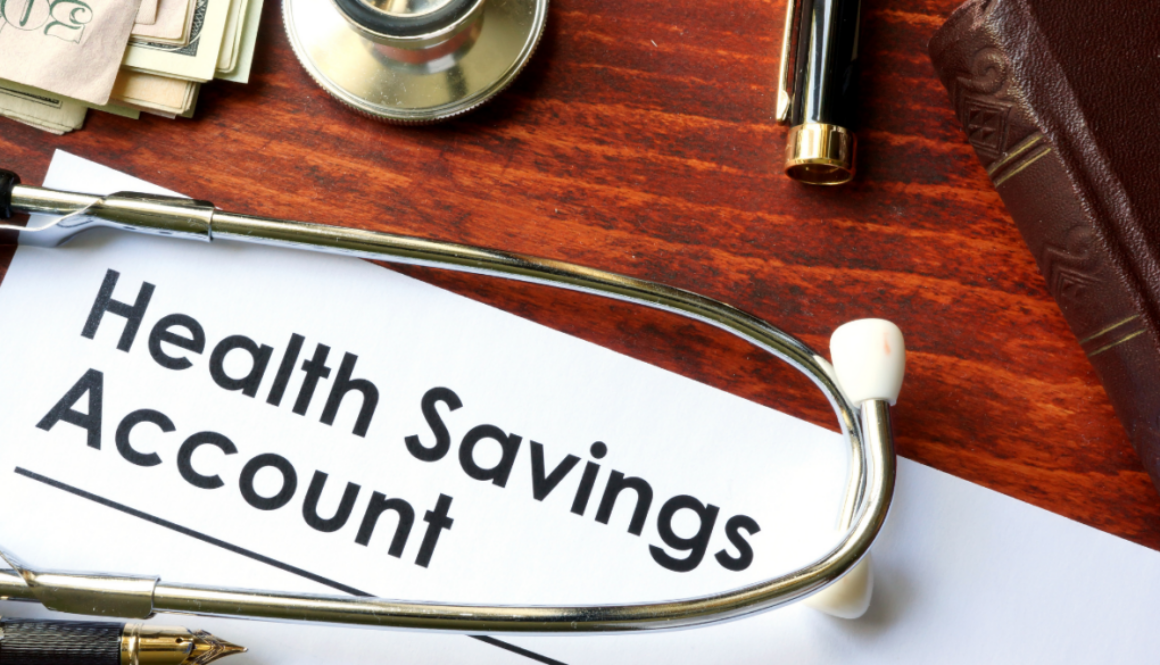
You can tap an HSA to pay the premiums for a long-term-care insurance policy, but the amount you can withdraw tax-free depends on your age. Question: Can I take out money tax-free from my health savings account to pay my long-term-care insurance premiums? If so, how much is tax-free? Answer: Yes, you can use money from your HSA tax-free to pay your long-term-care insurance premiums, with the maximum annual tax-free amount based on your age. If you’re 40 or younger, you can withdraw up to $420 tax-free from an HSA in 2019 to pay the premiums; if you’re age 41 to 50, you can take out $790; if you’re age 51 to 60, $1,580; if you’re age 61 to 70, $4,220; and if you’re age 71 or older, $5,270. If you and your spouse both have long-term-care policies, you can each use money tax-free from your HSA to pay premiums, up to the aged-based maximum for each of you (based on your ages by the end of the year). These limits increase slightly each year for inflation. To qualify, the long-term-care policy must cover only long-term-care services. And it must pay out if you need help with at least two activities of daily living or have cognitive impairment. Most traditional long-term-care insurance policies qualify. If you’re not sure, ask your insurer if your policy is “tax-qualified.” Source: Kiplinger.com
Your car insurance bill is probably one of your largest monthly expenses, especially if you have teenage drivers. To lower your premium, ask your insurer for a list of discounts, and let the insurer know if you qualify. For instance, some insurers offer discounts of 10% to 15% for those who make a living at certain profession, such as educators, lawyers, accountants, physicians, and law-enforcement personnel. You could also get a 10% discount for belonging to an alumni association or another organization. You may also receive a discount for carpooling or for having a hybrid car. Pay Your Bills Differently One of the easiest ways to reduce your premiums is to find out if your insurer will give you a break for paying your bill in a lump sum rather than monthly payments. Paying for the full policy term (usually six months) rather than monthly can reduce your rates by 5% to 10%. You may also get a discount if you set up automatic payments from your credit card or checking account. You could also save 3% to 5% on premiums if you sign up to receive bills and other information online instead of in the mail. Boost Your Deductible Increasing your deductible from $250 or $500 to $1,000 can reduce your premiums by up to 20%. It can also prevent you from filing small claims that could lead to a rate increase or jeopardize a claims-free discount. Add some money to your emergency fund so you’ll have cash to pay the deductible if anyone in your family gets in an accident. Bundle Up Buying your car insurance from the same company that provides your home or renters insurance can cut your rates by 5% to 20%. You may also get an extra discount if you add an umbrella policy with the same insurer, too. Get Good Grades Most insurers offer a discount of 15% to 25% for young drivers who maintain at least a B average in high school or college. To qualify, the driver usually has to be a full-time student younger than age 25. Also, tell your insurer if your child moves more than 100 miles away from home for college and doesn’t take a car. Your premiums could drop by 20% or more, but your child will still be covered when home from college. Sign Up for Data Tracking If you drive few miles and have safe driving habits, you could save money by participating in a data-tracking program, such as Progressive’s Snapshot, State Farm’s Drive Safe & Save, or Allstate’s Drivewise. You use an app on your smartphone or plug a device into your car that tracks how many miles you drive, how often you drive late at night, and if you have potentially dangerous driving habits, such as braking hard and accelerating rapidly. The average premium savings for participating is 10% to 15%, although discounts can be as high as 50%. Some insurers will raise your rates if you show risky behavior, but you can usually review your results online so you can improve your habits before your rate is set each term. See How Tracking Rewards Good Drivers for more information. Shop Around Car insurance premiums can vary quite a bit by each company. It’s a good idea to shop around for car insurance every few years, or more often if you’ve had any big life changes, such as getting married, moving, or having a teenager driving. The insurer that had the best rate for a married couple may charge some of the highest rates when you add a teen driver. You can compare rates from several insurers at Insurance.com or InsuranceQuotes.com. You could also get help from an independent insurance agent who works with several companies. Ask Your Insurer for a Rate Cut If you find a better rate from another insurer, let your current insurer know before switching. The insurance company may match the rate in order to keep you as a customer. Drop Certain Types of Coverage on Older Cars Collision coverage pays to fix your car's damages if caused by a collision with another car or object. Comprehensive coverage pays for damages caused by other covered events, such as theft, natural disasters, collision with an animal, or if an object falls on your car (such as a tree). Even if your car is totaled, the most you’ll usually get is the replacement cost for a car of its age. If your car is only worth a few thousand dollars, you may be paying more in premiums than you could ever get back from the insurer after paying your deductible. Compare the premiums for keeping the coverage with the cost to replace the car. An indivdiual can go to KBB.com to estimate their car’s replacement cost. Take a Driver-Safety Program Drivers younger than age 21 who take an approved drivers education course may get a discount. Some insurers even offer their own driver-safety programs that can save you extra money. State Farm’s Steer Clear program, for example, can cut premiums by up to 15% for drivers younger than 25 who have had no accidents and participate in the training program. (The program requires drivers to watch safe-driving videos, take quizzes, and record their trips, all on the Steer Clear app.) Some insurers give discounts of 5% to 15% for drivers age 60 or older who take an accident-prevention class. Watch the Clock After an Accident or Ticket In most states, tickets and at-fault accidents remain on your driving record for three or five years. Longtime customers with good driving records may not get a rate hike at all. Many insurers check motor vehicle records every 12 to 18 months. If your rate does rise, shop around. Some insurers care less about accidents or tickets than others. When an accident or ticket drops off your motor vehicle record, ask your insurer to remove the surcharge and then re-shop your policy. Get a Safe Car Before you buy a vehicle, find out how much it costs to insure. You can find out if a car tends to have higher or lower insurance costs by using State Farm’s vehicle rating tool and checking out a car’s safety ratings from the Insurance Institute for Highway Safety. Improve Your Credit Score In most states, insurers can use your credit score when setting your insurance rates. Check your credit report free at AnnualCreditReport.com, and make sure there aren’t any errors that could hurt your score. Paying your bills on time, limiting new credit, and keeping your charges low in relation to your available credit can also help you improve your score. See the credit-education page at MyFico.com for more information about factors that can affect your score. Source: Kiplinger.com